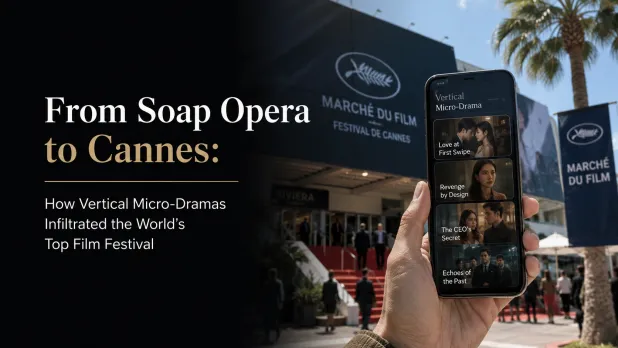
From Soap Opera to Cannes: How Vertical Micro-Dramas Infiltrated the World’s Top Film Festival
CANNES, France — May 18, 2026 — The ongoing 79th Cannes Film Festival has long been celebrated as the global sanctuary for traditional widescreen cinema. However, at this year’s Marché du Film (Cannes Film Market), the screen has officially rotated.
With the launch of the inaugural Fantastic Pavilion Vertical Cinema showcase, the vertical micro-drama format (9:16) has made its historical debut on the Croisette. This milestone signals a profound structural shift: ultra-short-form, phone-first storytelling is rapidly shedding its early "soap opera" stigma and gaining recognition as a legitimate, high-stakes cinematic art form.
A New Window for Genre Cinema: The 9:16 Framework
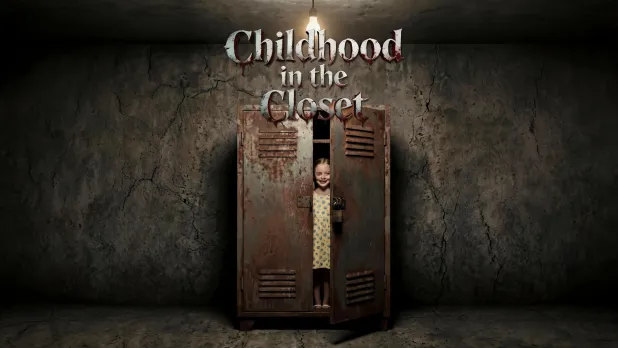
Organized within the Fantastic Pavilion—a rapidly growing hub for genre cinema at the Marché du Film—the Fantastic Pavilion Vertical Cinema Cannes 2026 serves as an international showcase dedicated exclusively to horror, fantasy, sci-fi, and thriller narratives engineered for mobile screens.
The submission guidelines for the showcase reflected the strict parameters of the booming micro-drama industry:
● Mandatory Aspect Ratio: Vertical 9:16 ($1080 \times 1920$ minimum resolution).
● Runtime Constraints: Strictly between 30 seconds and 4 minutes per episode/work.
● Curated Scale: Out of global submissions, a rigorous selection process culminated in a lineup of 28 projects representing 17 countries, including the United States, China, Mexico, Spain, Brazil, and Denmark.
"The vertical, short, and phone-first format has stopped being an experiment to become a powerful language," the Fantastic Pavilion organizers stated regarding the initiative. "It is capable of connecting with global audiences without sacrificing depth or authorial identity."
From "Trashy Tropes" to Premium IPs and A-List Genre Talent
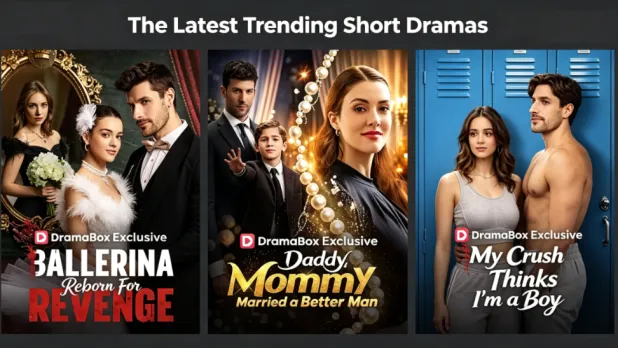
The official selection at Cannes highlights a major trend redefining the global micro-drama market in 2026: the influx of premium intellectual property (IP) and established filmmakers into a space once dominated by low-budget, amateur productions.
The Weight of Global IP
The 2026 showcase prominently featured works leveraging massive IP infrastructure. China, a pioneer in the micro-drama ecosystem, brought heavy hitters to the screen:
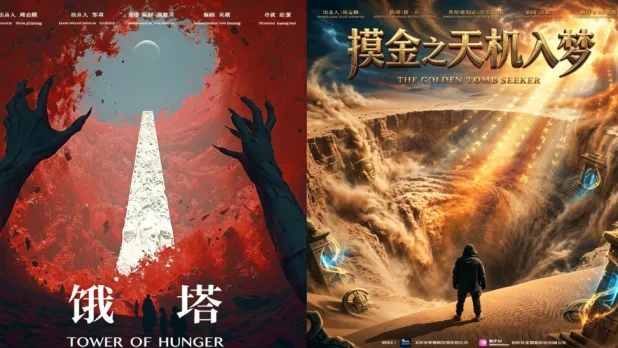
● The Tower of Hunger (Directed by Hui Kuang): A premium sci-fi and fantasy thriller adapted from a major Chinese IP, following space adventurers stranded on a hostile planet.
● The Golden Tomb Seekers (Directed by Yifan Zhang, Ran Ou, Yong Chen): A localized vertical adaptation targeting the massive global appetite for high-octane action and archeological mystique.
Established Autorial Voices
Rather than acting as a consolation format for those locked out of traditional theatrical distribution, vertical storytelling is being embraced as a deliberate creative choice by veteran filmmakers.
The lineup included Witness, directed by prominent Mexican horror filmmaker Lex Ortega (known for Atroz and Muertamorfosis), alongside entries from recognized indie directors like Carlos Meléndez (The Offering, The Blind Alley) and the Argentine-Uruguayan duo Leandro Mark and Pablo Camaiti (The Alley).
The Economics of Legitimacy
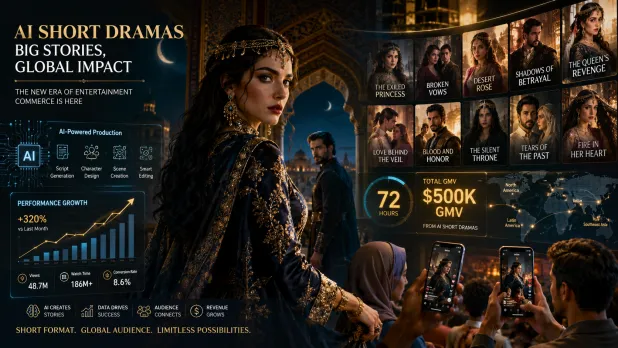
The infiltration of micro-dramas into the Marché du Film coincides with eye-popping financial Realities. Industry data tracks the global vertical short-drama app market as an $11 billion ecosystem, with projections aiming for over $14 billion by the end of 2026.
By capturing a dedicated space at Cannes, cross-border platforms and independent studios are establishing critical business bridges. The showcase was explicitly designed to put these 9:16 formats in front of traditional international buyers, festival programmers, and theatrical distributors who are eager to capture the elusive attention spans of mobile-native audiences.
To incentivize formal risk-taking, the festival's specialized jury will award a Fantastic Pavilion Vertical Cinema Cannes 2026 Special Mention to the project that demonstrates the most innovative use of vertical visual grammar and narrative pacing.
The Bottom Line
The transition from localized, hyper-melodramatic "quick clicks" to an official showcase at the world's premier film market marks a turning point for the media landscape. As the boundaries between Silicon Valley-driven mobile apps and Hollywood-driven theatrical distribution continue to blur, the vertical format has proven it is no longer a limitation—it is a new kind of cinematic frame.
Related Recommendations