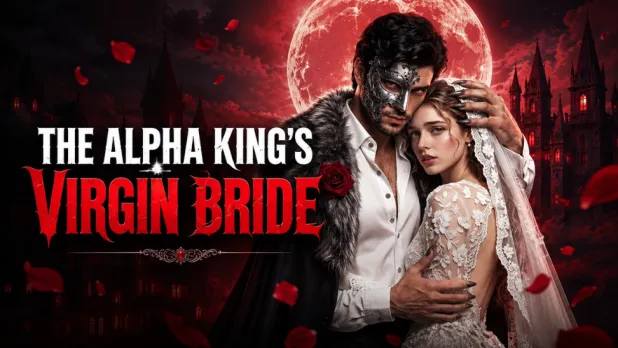
The Alpha King's Virgin Bride: The Brutality Is a Mask — and the Drama Knows It
The short drama opens on a transaction. A human girl, Juno, is handed to a werewolf king not because she is wanted, but because she is convenient. Her stepsister refused; someone had to go. And so the story begins not with a grand romantic destiny or a fated connection announced by thunder, but with the quiet, particular humiliation of being a stand-in.
That framing — the substitute bride, the expendable girl — is where The Alpha King's Virgin Bride does its most interesting structural work.
The Setup Is a Trap (A Very Deliberate One)
Hunter Vere has a reputation. Seven previous brides, all dead. The kingdom whispers his name like a warning. When Juno crosses into the werewolf world, the drama deliberately withholds the truth of those deaths — not to be coy, but because the uncertainty is the point. Juno doesn't know if she's walking into a marriage or an execution. Neither does the audience.
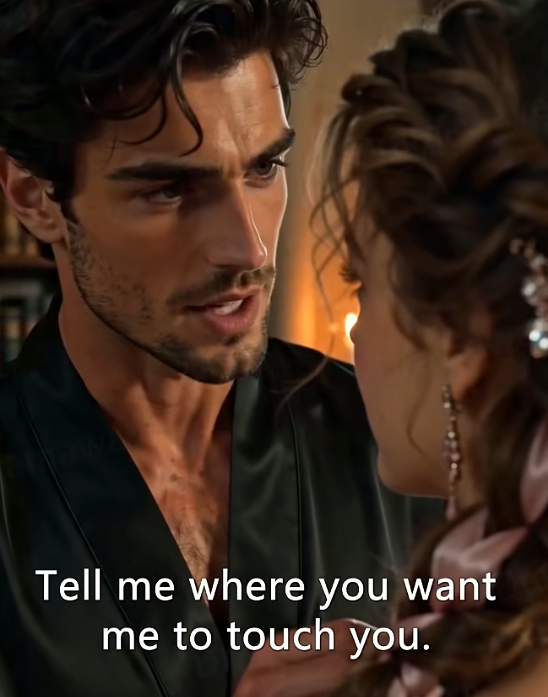
This is the engine of the story's first act: not romance, but survival calculus. Every scene Juno shares with Hunter is, at its core, a threat assessment. She's reading him the way someone reads a room for exits. And that vigilance — that relentless, low-key fear — is precisely what gives the eventual emotional pivot its weight.
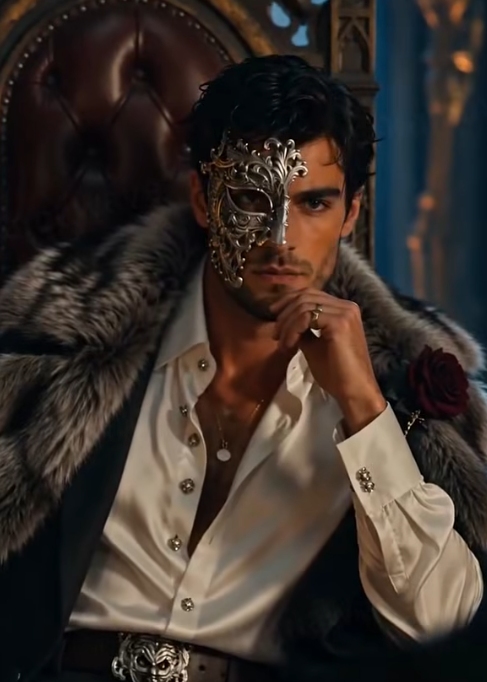
Short-form drama is often criticized for compressing emotional arcs so aggressively that nothing lands. The Alpha King's Virgin Bride sidesteps that trap by anchoring its pacing in Juno's psychology rather than the plot's event count.
Juno: The Function of a Witness
From a dramatic structure perspective, Juno is not simply the protagonist — she is the audience's instrument of perception. Everything the viewer knows about Hunter Vere, they know because Juno is watching him. She is the unreliable narrator in the most productive sense: not dishonest, but incomplete. She interprets Hunter through the lens of what she's been told about him, and the drama's central pleasure is watching that interpretation erode.
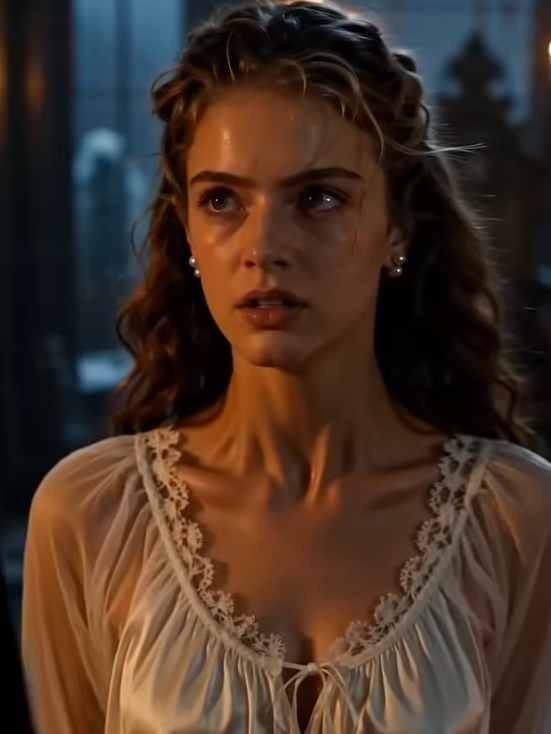
Her dramatic function is revelation. She doesn't transform the Alpha King through love at first sight or magical intervention — she simply stays long enough, pays close enough attention, to notice the gap between Hunter's performance of brutality and whatever it is he actually is. That gap is the story's gravitational center.
Hunter Vere: The Architecture of a Closed Man
What drives Hunter Vere? The summary offers a telling detail: beneath the cold exterior lies tenderness and deep affection. That phrasing — hidden beneath — suggests the warmth was always there, actively suppressed. The dramatic question the series poses isn't whether Hunter is capable of softness. It's why he's spent so much energy ensuring no one sees it.
The seven dead brides hover over every interaction like a structural weight. Hunter's coldness reads less like cruelty and more like a system designed to prevent intimacy — because intimacy, in his world, may be the thing that gets people killed. Whether he is protecting himself or others is the irony the drama turns slowly, like a key in a lock. The audience suspects one answer; the story may be preparing another.
The Werewolf World as a Power Map
The social architecture of The Alpha King's Virgin Bride is worth examining on its own terms. Juno enters a world where she holds no power by almost any metric: she is human, female, unmarried until force made her otherwise, and entirely dependent on the goodwill of a king whose goodwill is publicly unconfirmed.
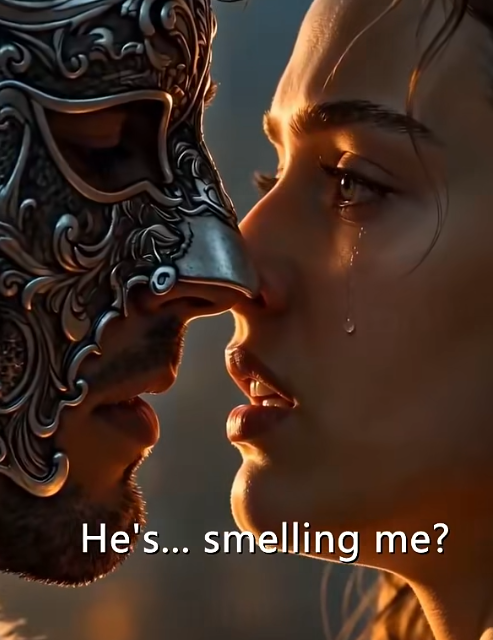
The drama uses this asymmetry precisely. Every moment of unexpected gentleness from Hunter carries extra charge because it isn't owed. Every instance of Juno maintaining her dignity under pressure reads as an act of genuine courage rather than scripted pluck. The power gap doesn't flatten the story — it sharpens every exchange. When the balance begins to shift, even incrementally, the series has built enough structural contrast for those shifts to register as meaningful.
This is what separates The Alpha King's Virgin Bride from the many short-form werewolf dramas that use hierarchy as wallpaper. Here, the hierarchy is the drama.
What the Emotional Pacing Actually Delivers
Short drama audiences understand the genre contract: tension will compress, emotional beats will land fast. The series honors that contract while pushing against it. The tenderness the story promises doesn't arrive as a sudden reveal — it accumulates in the pauses. A look that doesn't match the words. A gesture that contradicts the reputation. By the time the warmth becomes undeniable, the audience has already assembled the evidence themselves.
That collaborative construction — where viewers are actively reading Hunter alongside Juno — is what makes this drama's emotional payoff feel earned rather than granted. The series trusts its audience to do the interpretive work. In the crowded field of Alpha-king narratives, that trust is rarer than it should be.
Who This Is For — and Who It Will Surprise
Viewers already comfortable with the werewolf-romance genre will find this a more psychologically textured version of a familiar setup. But the drama's real audience might be the skeptic — someone who clicked out of three similar titles and is giving the genre one more chance. The substitute-bride premise, which could easily slide into pure fantasy wish-fulfillment, is handled here with enough structural intelligence to reward a viewer who asks "but why" rather than just "what next."
Where to Watch:The Alpha King's Virgin Bride is available on DramaWave. Download the DramaWave app to access full episodes. Check the platform for current free/premium episode availability, as access tiers may vary.
More Dramas for Free:


Related Recommendations


Popular Articles