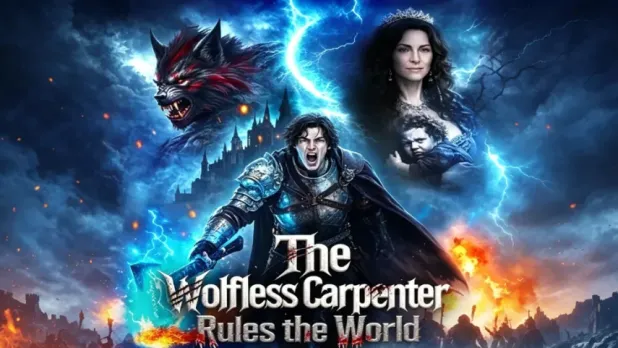
The Wolfless Carpenter Rules the World: Why This Outcast Tale Upends Genre Expectations
Most supernatural dramas ask you to root for a society that fundamentally does not deserve to be saved. We routinely watch exiled protagonists endure horrific psychological abuse from their own kin, only to turn around and defend those same oppressors the moment an external threat appears. The Wolfless Carpenter Rules the World leans directly into this uncomfortable ethical tension, presenting a narrative framework where the internal rot of a community is just as dangerous as the monsters knocking at the gates. It forces the audience into a state of acute frustration, waiting for the exact moment the emotional ledger balances out.
The Mythological Architecture of the Outcast
At its core, this narrative operates heavily on the archetype of the rejected savior. Raven returns to the Redclaw lineage not with a thirst for vengeance, but with a deeply human vulnerability: the search for familial belonging. The story establishes a rigid social hierarchy based on utility and perceived power, positioning Raven's initial vulnerability as a structural flaw in the eyes of his father. By analyzing this through a mythological lens, we see a classic tribal purging mechanism. The community discards what it cannot immediately weaponize, failing to realize that their rigid definition of strength is exactly what leaves them exposed to external annihilation.
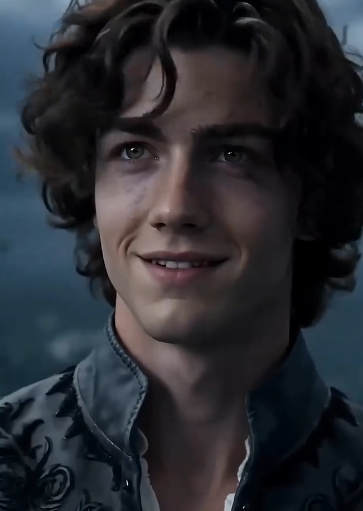
When the monstrous Bloodshadow Tribe launches its invasion, the structural frailty of the Redclaw hierarchy is instantly exposed. The very institutions that deemed Raven worthless crumble under actual pressure, demonstrating that the father's leadership was built on a foundation of false superiority. The narrative tension relies not just on physical combat, but on the intellectual satisfaction of watching a broken system realize it signed its own death warrant when it exiled its true protector.
A Study in Familial Cruelty and Structural Adaptation
The dynamic between Raven and his father serves as the primary engine for the story's emotional weight. Analyzed through a relationship dynamic angle, the father represents institutional stagnation. His rejection of Raven is not merely personal; it is a defensive reflex to maintain control over a changing world. The father requires absolute conformity to traditional metrics of power, and Raven’s presence threatens that rigid order. This friction creates a volatile environment where every conversation feels like a battle for legitimacy, setting a high-stakes emotional baseline long before any physical swords are drawn.
Raven himself must be understood through a psychological angle that prioritizes his core wound: the trauma of systemic erasure. His motivations shift rapidly from a desire for reconciliation to an urgent need for self-preservation and latent self-actualization. He is a character defined by his restraint; he does not unleash his hidden power out of a petty desire to show off, but because the complete collapse of his former home leaves him with no other viable alternative. This internal conflict elevates the narrative from a standard power fantasy to a nuanced look at what it costs psychologically to protect people who actively wished for your demise.

Engineering Tension in Short-Form Media
The mechanical pacing of the production relies heavily on rapid reversals of fortune to maintain its addictive qualities. The script establishes the pain of Raven's rejection and the existential threat of the Bloodshadow Tribe almost simultaneously, ensuring that the audience's anger on Raven's behalf is immediately channeled into the high stakes of the invasion. Every scene is stripped of excess dialogue, focusing entirely on the shifts in leverage between the broken Redclaw defense and Raven's emerging dominance.
Ultimately, the production succeeds because it understands the exact nature of the emotional payoff its audience craves. It balances the visceral thrill of an explosive power reveal with the quieter, more cutting satisfaction of systemic vindication. We watch not just to see the Bloodshadow Tribe defeated, but to see the look of absolute realization on the faces of those who cast Raven aside. It is a calculated, deeply satisfying exercise in narrative justice that honors the character's suffering without rushing his vindication.
Where to Watch The Wolfless Carpenter Rules the World
The Wolfless Carpenter Rules the World is available for streaming on the Netshort platform. Viewers can access initial episodes for free, with subsequent chapters available via the platform’s standard micro-transaction or ad-supported viewing models.
Related Recommendations



Popular Articles