
Clearing My Name: Ten Years Stolen, One Truth Left to Claim
Clearing My Name, available on ShortMax, is not really a story about a wrongful conviction. It is a story about power — who holds it, who it destroys, and whether it can ever be genuinely reversed. Elara Vance spends ten years in prison for a bridge collapse that killed 53 people. She did not cause it. The drama knows that from the start. What it asks instead is something harder: once someone has been ground down that completely, what does it actually take to stand back up?
The Architecture of a Setup
The framing of Elara's downfall is calculated and specific. As a brilliant architect, she is the logical target — her credentials make her visible, and visibility makes her vulnerable. But the story makes clear that the real cause of the disaster is Ivy Thorne, a woman who not only avoids consequence but spends the following decade actively dismantling whatever Elara tries to rebuild after her release. This is the drama's first and most pointed power move: the guilty party keeps constructing a life while the falsely convicted one is forced to start from nothing, twice.
That double punishment — incarceration followed by continued persecution — is what separates this story from a standard exoneration plot. The stakes do not soften once Elara walks free. They sharpen. The bridge collapse took 53 lives and a decade of hers. What comes after is, in many ways, the harder fight.
Three Forces, One Target
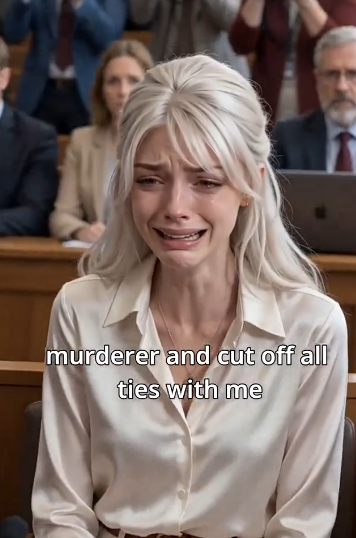
Elara functions throughout the narrative as a consequence carrier. Everything the plot puts her through is designed to measure what she loses, what survives, and what she eventually decides to reclaim. She loses her freedom, her professional standing, and nearly her life when she is beaten and thrown into a river. What endures — and this is the drama's quietest argument — is her capacity to make a deliberate choice about who she becomes next.
Silas, her ex-husband, operates as a contrast figure. His defining characteristic is not rage but manipulation. He does not confront Elara directly; he works angles, leverages proximity, and uses the tools of ordinary social access to keep her destabilized. He is, structurally, everything Elara refuses to become: someone who survives by wearing others down rather than building anything real.

Ivy Thorne holds the most literal power in the story. She caused the collapse, escaped consequence, and spent years redirecting blame with enough skill to remain untouchable. Her role is structural and load-bearing — she is the engine of Elara's ongoing suffering after release, and her eventual imprisonment is the pivot the entire plot has been building toward. This is not a drama where the guilty are punished through cosmic irony. The justice here is deliberate and earned, and that gives it a different texture.

Julian occupies a distinct position in the power map. A childhood friend who became a billionaire, he never conceded the version of events that Silas and Ivy spent years solidifying. His relationship with Elara forms the story's emotional spine, but within this drama's power logic he represents something more specific: a sustained refusal to let a lie calcify into permanent record.
The Rescue Question Worth Asking
Elara is pulled from a river by a wealthy man. For a story built around a woman reclaiming her own agency, that moment invites fair scrutiny. Does being saved by someone with resources quietly undercut the arc the narrative has been constructing?
The story offers a deliberate answer. Elara does not transfer her dependence from prison to Julian. She opens a bookshop in London. She falls in love — but the phrasing that closes the narrative is careful: she finally, genuinely chooses herself. The rescue is a plot event. The reclamation is a decision. These are not the same thing, and the drama appears to understand the difference between them.
What the Ending Actually Earns
The final shape of the story is not triumph in the conventional sense. Ivy goes to prison. But Elara does not reclaim her architecture career or return to the world that failed her so thoroughly. She builds a different one — quieter, intentional, in a city that owes her nothing and carries none of her history. The bookshop in London is a choice, not a consolation prize. That distinction carries real narrative weight.
Power in this story shifts not through legal vindication alone but through the slow, costly process of a person refusing to stay erased. The system eventually functions. The personal reckoning takes considerably longer. Those two timelines running at different speeds is where the drama finds most of its tension.
Top Picks: Similar Mini Dramas Like Clearing My Name
I Loved You in Life, You Loved Me in Loss (DUBBED)
I Loved You in Life, You Loved Me in Loss (DUBBED) follows a powerful Billionaire who pushes his ex-wife away with money, unaware she is dying. When their hungry daughter calls him years later, the truth behind her disappearance finally comes to light in this emotional story.

Little Genius:The CEO's Spoiled Heir
Little Genius:The CEO's Spoiled Heir tells a gripping story of a mother’s return and a hidden child. This urban mini drama is packed with emotional twists and identity secrets, making it a must-watch short drama for fans of intense character reunions and high-stakes romance.

Love by Confinement
Love by Confinement is a gripping romance about Ava, a woman imprisoned by the man she loved. After her release, she must navigate Liam's vengeful torture and their shared agony. This popular mini drama explores if love can truly survive such deep scars and betrayal.

Where to Watch Clearing My Name
Clearing My Name is available to stream on ShortMax. The full episodes can be accessed through the ShortMax app or website, making it easy to watch the complete series without interruption.
Related Recommendations



Popular Articles